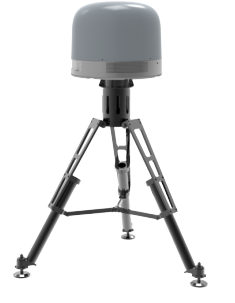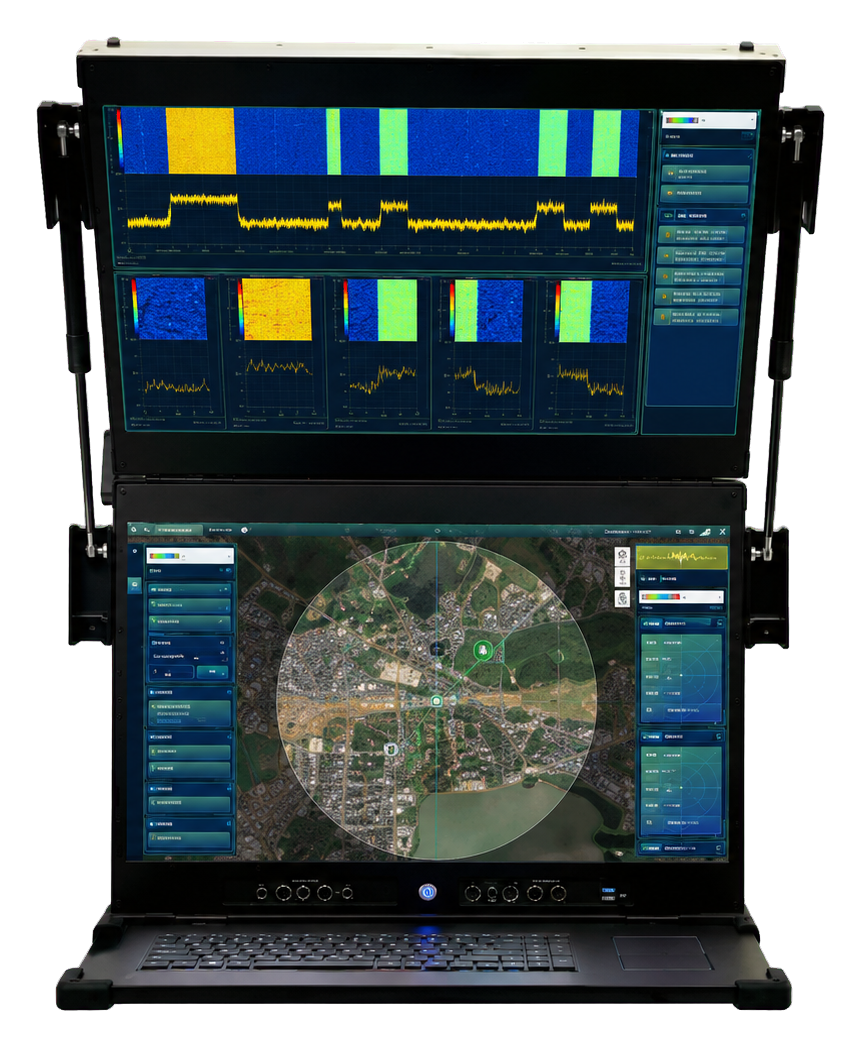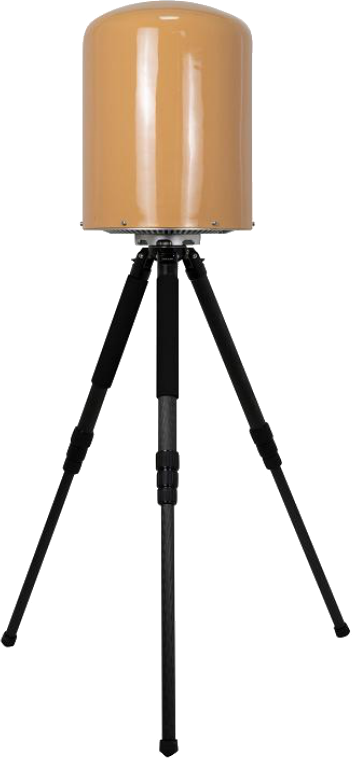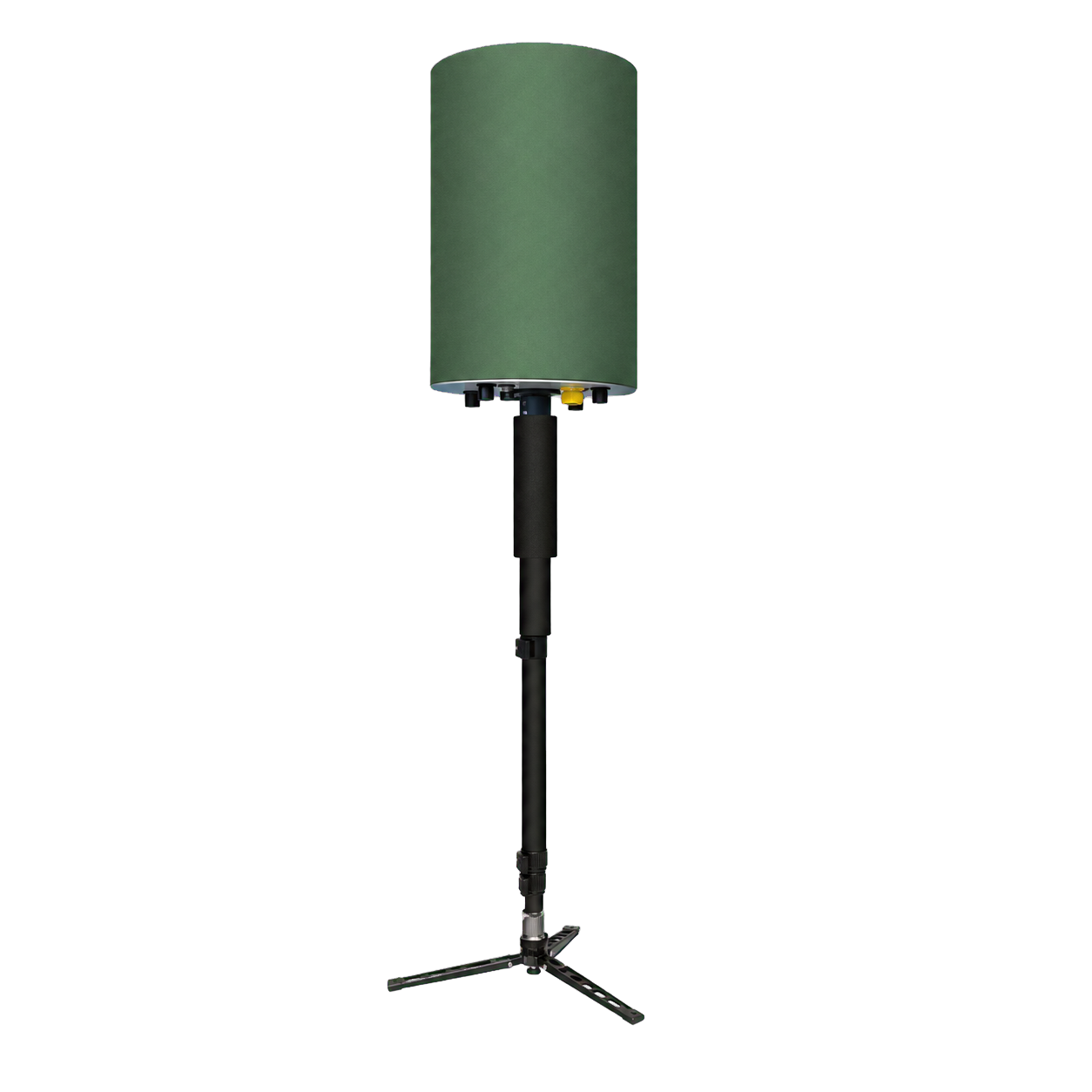

Each sensor observes a different world
Radar reports range, bearing, velocity and scattering features. RF systems report frequency, link characteristics, identity or direction. EO/IR systems report imagery, bounding boxes and visual classes. Their sample rates, coordinate frames, latency and error models differ. Connecting them to one screen is aggregation, not yet fusion.
Register time and space before fusing
A platform needs a common time base, surveyed sensor positions and attitudes, coordinate transformation and compensation for processing and network latency. Without registration, one aircraft may appear as several nearby objects or tracks may diverge during manoeuvre.
Calibration parameters should be version-controlled. Sensor replacement, mount movement, antenna reorientation and camera zoom can change error, so calibration records and periodic checks matter.
Association is the core problem
Association decides whether observations belong to the same object. Useful evidence includes temporal proximity, spatial gates, velocity agreement, track history, identity fields and sensor class probabilities. Gates that are too wide merge unrelated targets; gates that are too narrow split one target into several tracks.
- Retain unassociated observations instead of silently discarding them.
- Expose association confidence and primary evidence sources.
- Let operators inspect the underlying radar plot, spectrum event or EO image.
- Route conflicting evidence to review rather than selecting the most precise-looking value.
From fused tracks to decision support
A useful platform turns fused evidence into classification, allowlist checks, risk level, recommended confirmation, escalation and authorised response. Automation boundaries must be explicit. Active RF mitigation requires human confirmation, access control and a complete audit trail.
How to evaluate fusion
Compare time to first detection, track continuity, classification accuracy, false alarms, duplicate tracks and operator confirmation time before and after fusion. More sensors do not guarantee improvement; weak synchronisation, registration or association can increase inconsistency and workload.
References and further reading
This article is an original engineering synthesis based on the following standards, official material and primary research. External sources are provided for verification and further study.