
What Remote ID provides
Remote ID continuously broadcasts identification and location messages from a compliant aircraft or an attached broadcast module. Under the FAA framework, Standard Remote ID may include a unique aircraft identifier, latitude, longitude, altitude, velocity, control-station position, time mark and emergency status. A broadcast module typically reports its serial number, aircraft position and take-off location.
The data is structured and useful for building compliant-target records and associating identity with a track. Yet it depends on the aircraft being properly equipped and broadcasting as intended. It is therefore a cooperative identification source, not a complete independent detection layer.
What wideband RF sensing adds
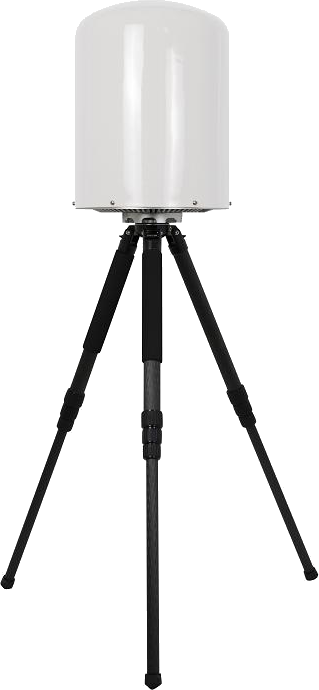
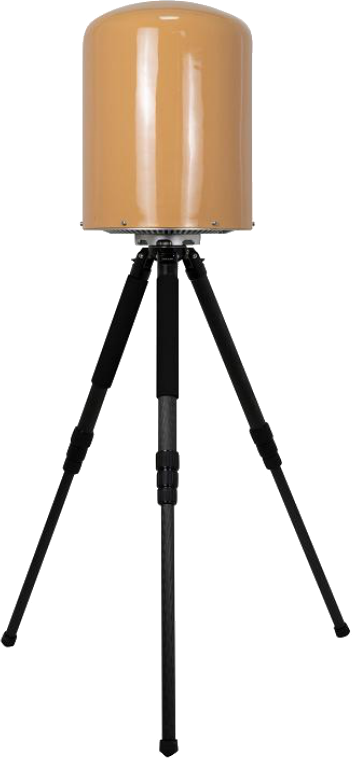
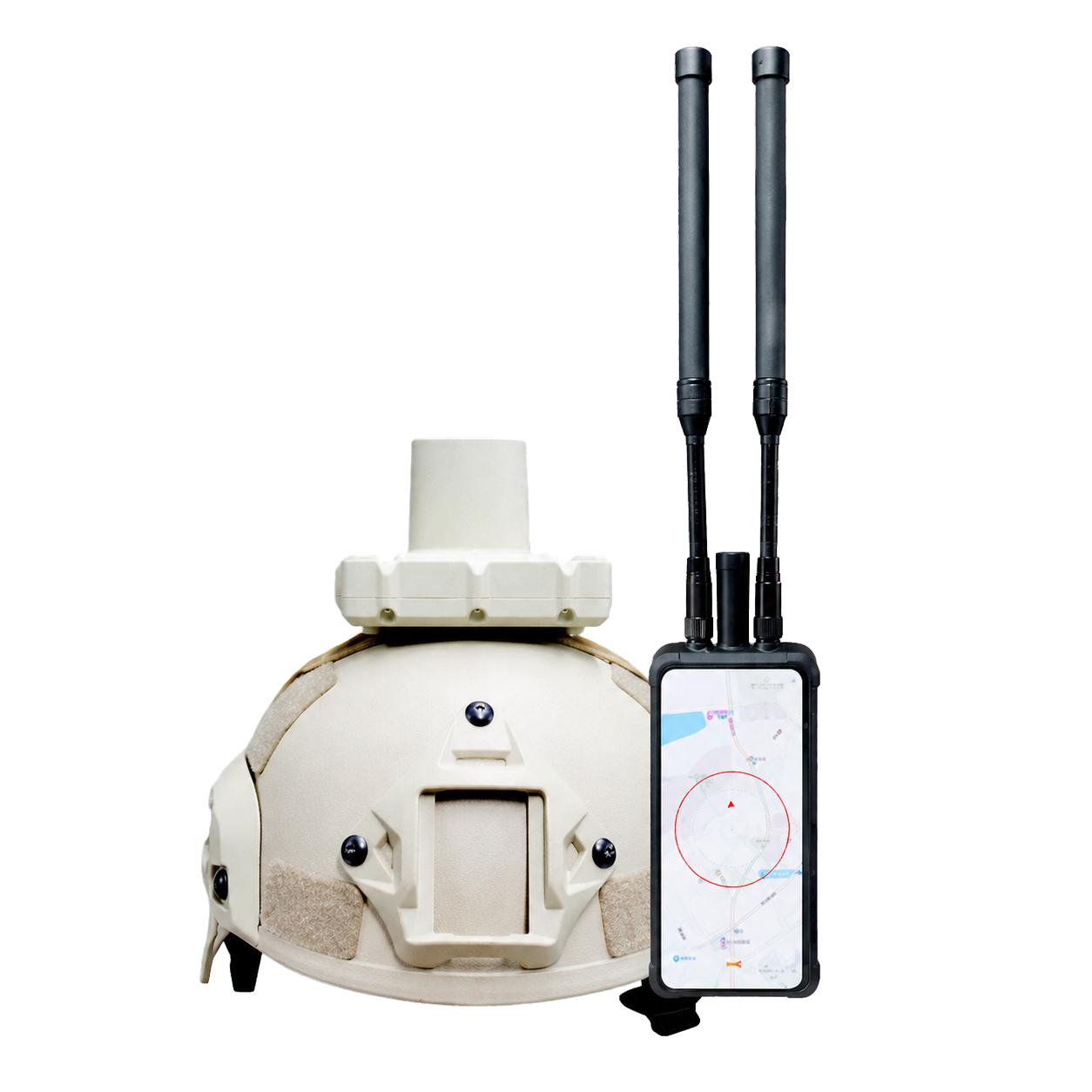
RF sensing observes activity over the air: command, video, telemetry and other links can be detected through spectrum monitoring, feature extraction and protocol analysis. It can expose targets outside the Remote ID ecosystem, abnormal broadcasts or aircraft that reveal only communication characteristics.
RF sensing also has limits. Autonomous or radio-silent flight, obstruction and a dense electromagnetic environment can reduce visibility. The absence of a detected RF signature is not proof that the airspace is clear.
A practical fusion model
Treat Remote ID as a high-semantic data source and RF sensing as an independent evidence source. Correlate them by time, space and target features while preserving source, timestamp and confidence.
- Consistent Remote ID and RF evidence increases track confidence.
- RF evidence without Remote ID should trigger direction finding or optical confirmation.
- Conflicting position or track data should be flagged rather than merged automatically.
- When both sources are weak, radar, EO/IR or field observation should supply additional evidence.
What to measure during acceptance
Acceptance testing should separate cooperative from non-cooperative targets and measure broadcast reception, RF detection, identity-association accuracy, track continuity, time to first alert and abnormal-data handling—not merely whether a symbol appears on a map.
References and further reading
This article is an original engineering synthesis based on the following standards, official material and primary research. External sources are provided for verification and further study.